Many people assume that real strength progress requires a fully equipped gym. Rows of machines, heavy barbells, and expensive memberships are often portrayed as essential. This assumption stops many beginners from starting at all.
In reality, effective training depends far more on structure and consistency than on equipment variety.
🏠 What “Effective” Training Actually Means
Effective training produces gradual improvements in strength, mobility, and overall fitness over time. This does not require dozens of machines or heavy loads from the start.
Progress comes from:
- Progressive overload
- Good movement patterns
- Sufficient recovery
- Consistent effort
All of these can be achieved at home.
🏋️♂️ Minimal Equipment Goes a Long Way
Simple equipment can support significant strength gains, especially for beginners and intermediates.
Common effective tools include:
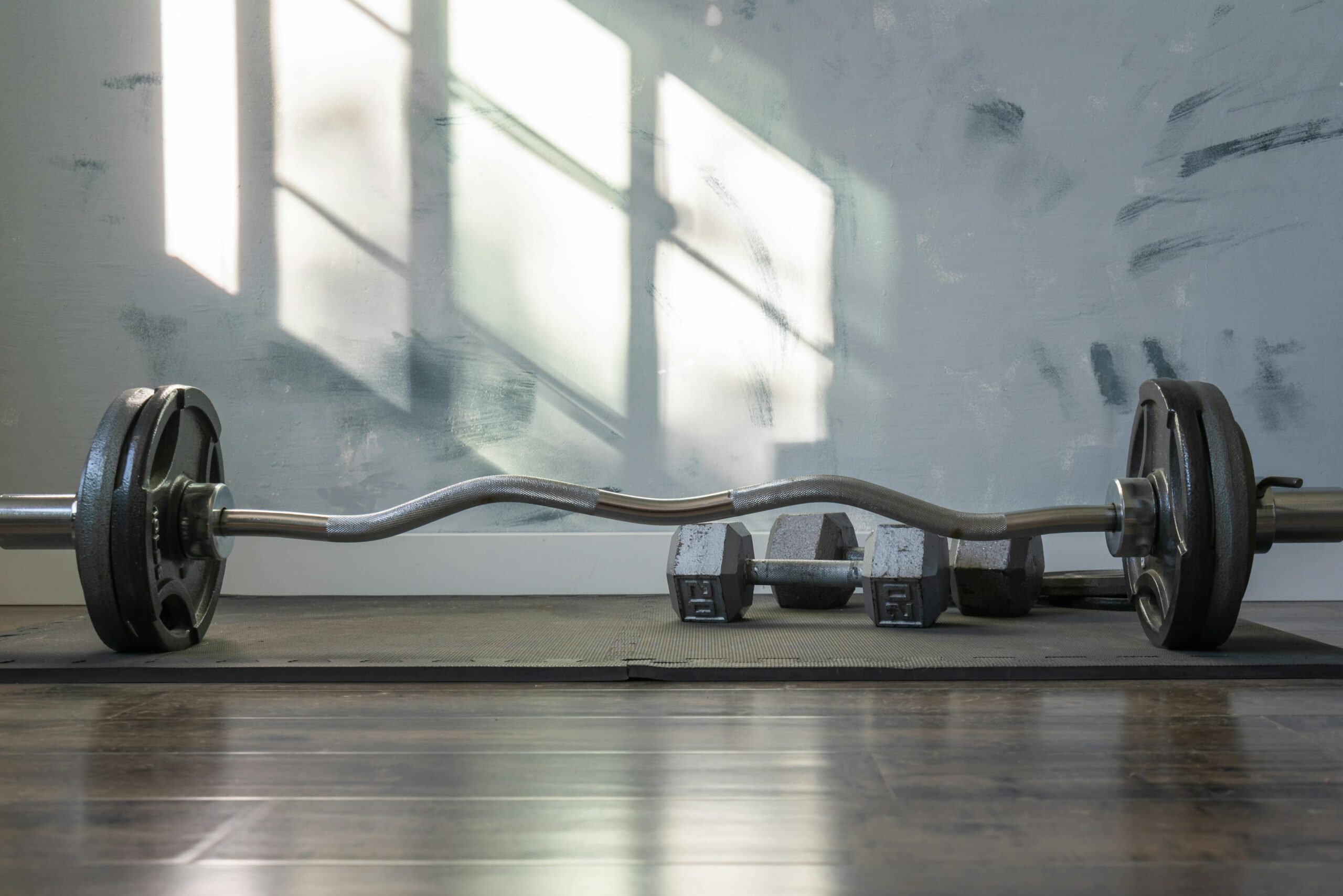
- Adjustable dumbbells
- Resistance bands
- A pull-up bar
- A stable bench or chair
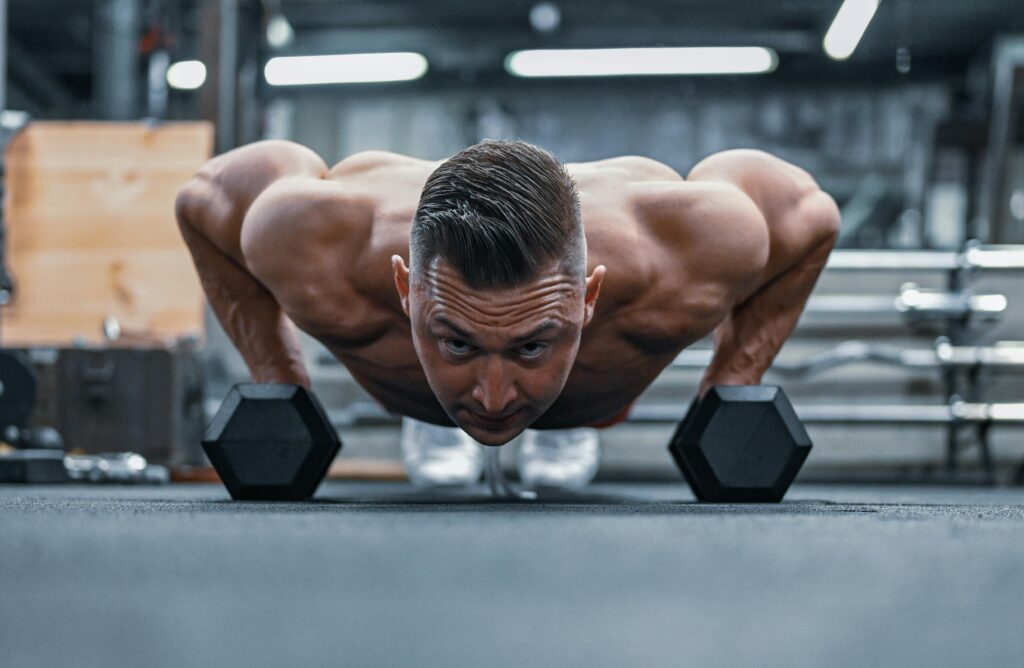
Bodyweight exercises alone can also build strength when progression is applied correctly.
🔁 Progression Matters More Than Variety
Many gym-based routines rely on constant exercise changes, but progress comes from mastering movements over time.
At home, progression can look like:
- Increasing repetitions
- Slowing tempo
- Adding resistance
- Improving technique
Limited equipment often encourages better focus and discipline.
🧠 Who Home Training Works Best For
Home training is particularly effective for:
- Beginners
- Busy professionals
- Those returning after injury
- People who value flexibility
For advanced trainees with very specific strength goals, gym access may eventually become helpful — but it is not a requirement for getting strong.
✅ Final Thoughts
A full gym is not a prerequisite for effective training. Structure, consistency, and gradual progression are what matter most.
Starting at home removes barriers and often makes long-term consistency easier to maintain.